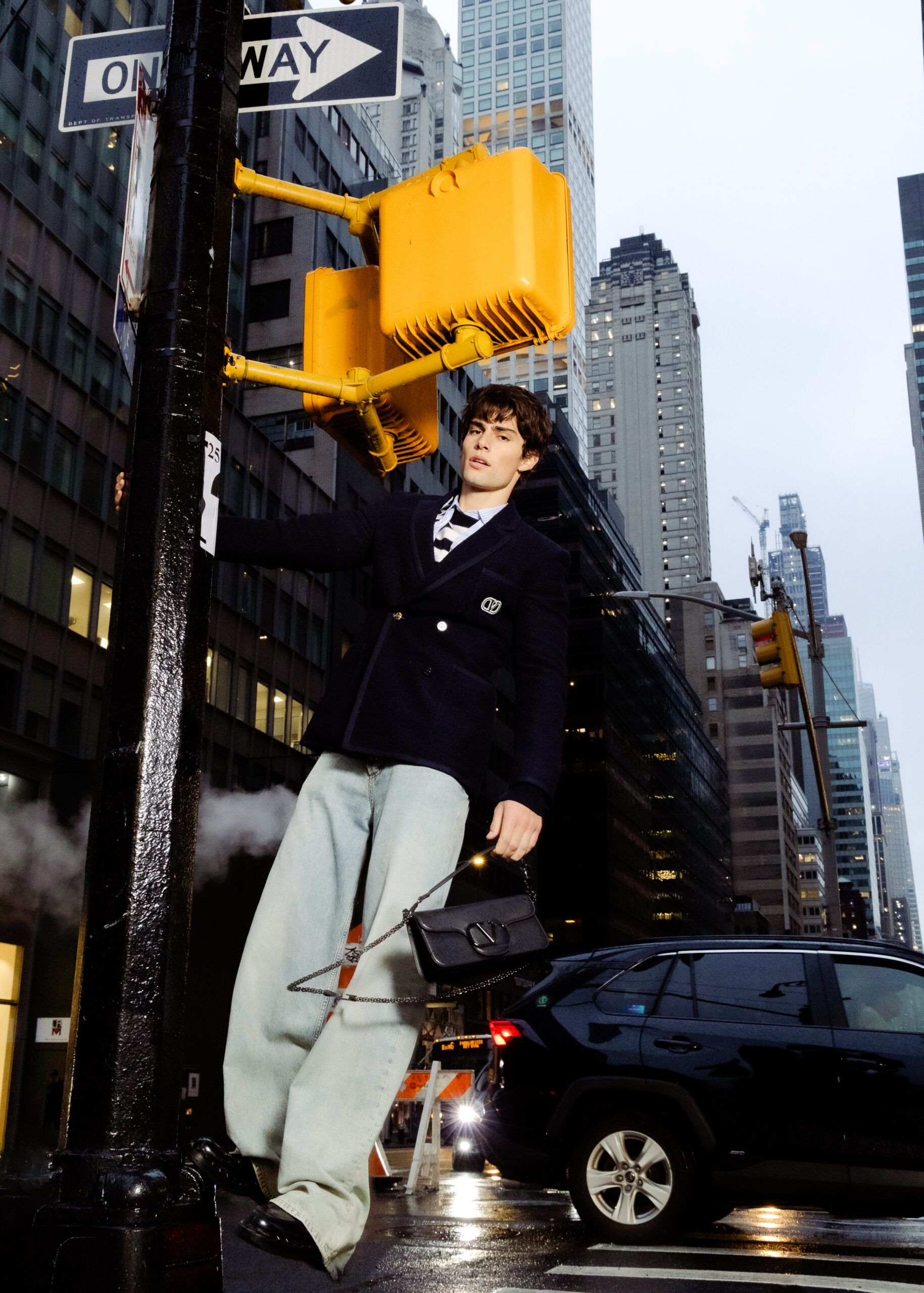
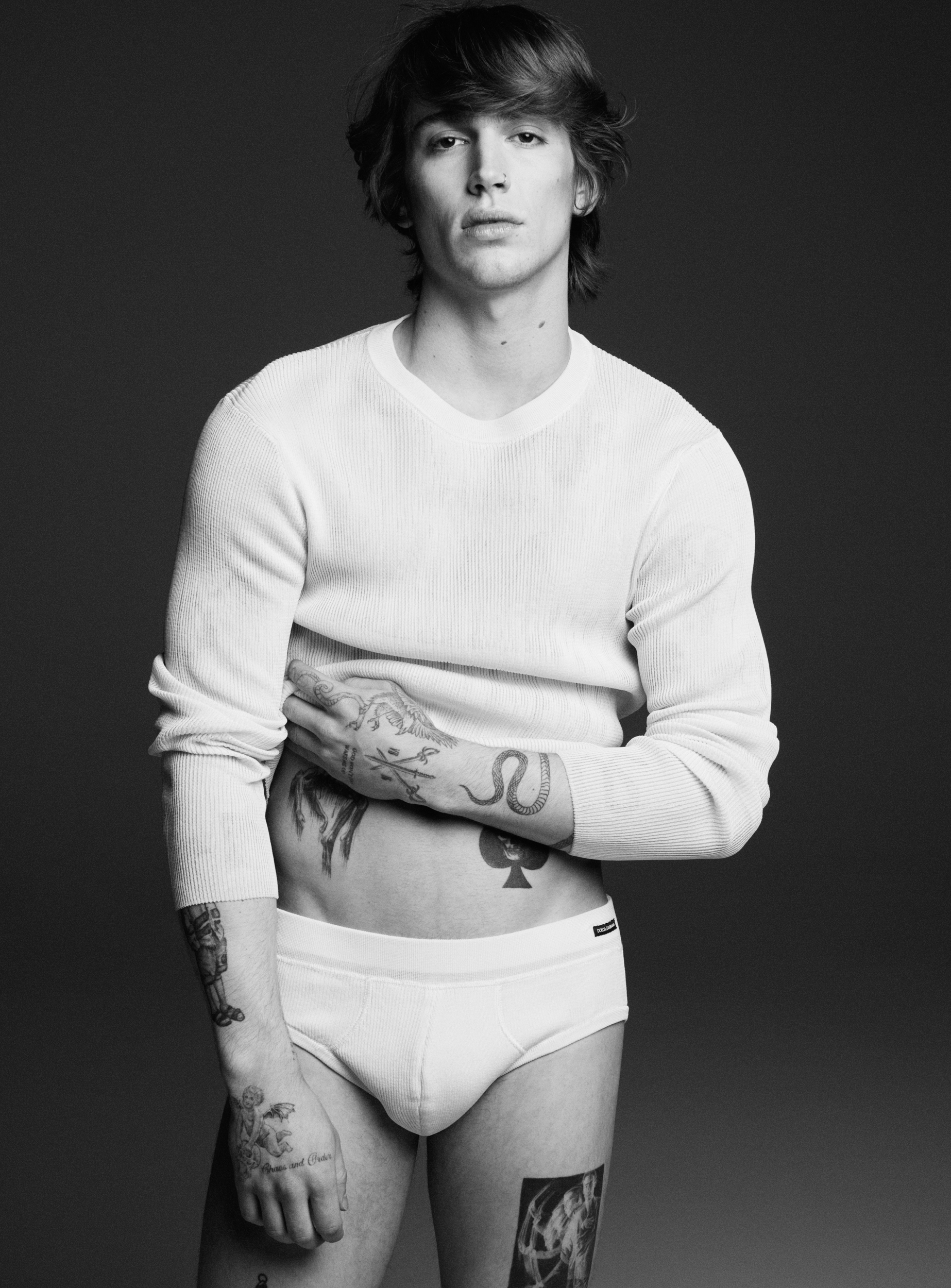
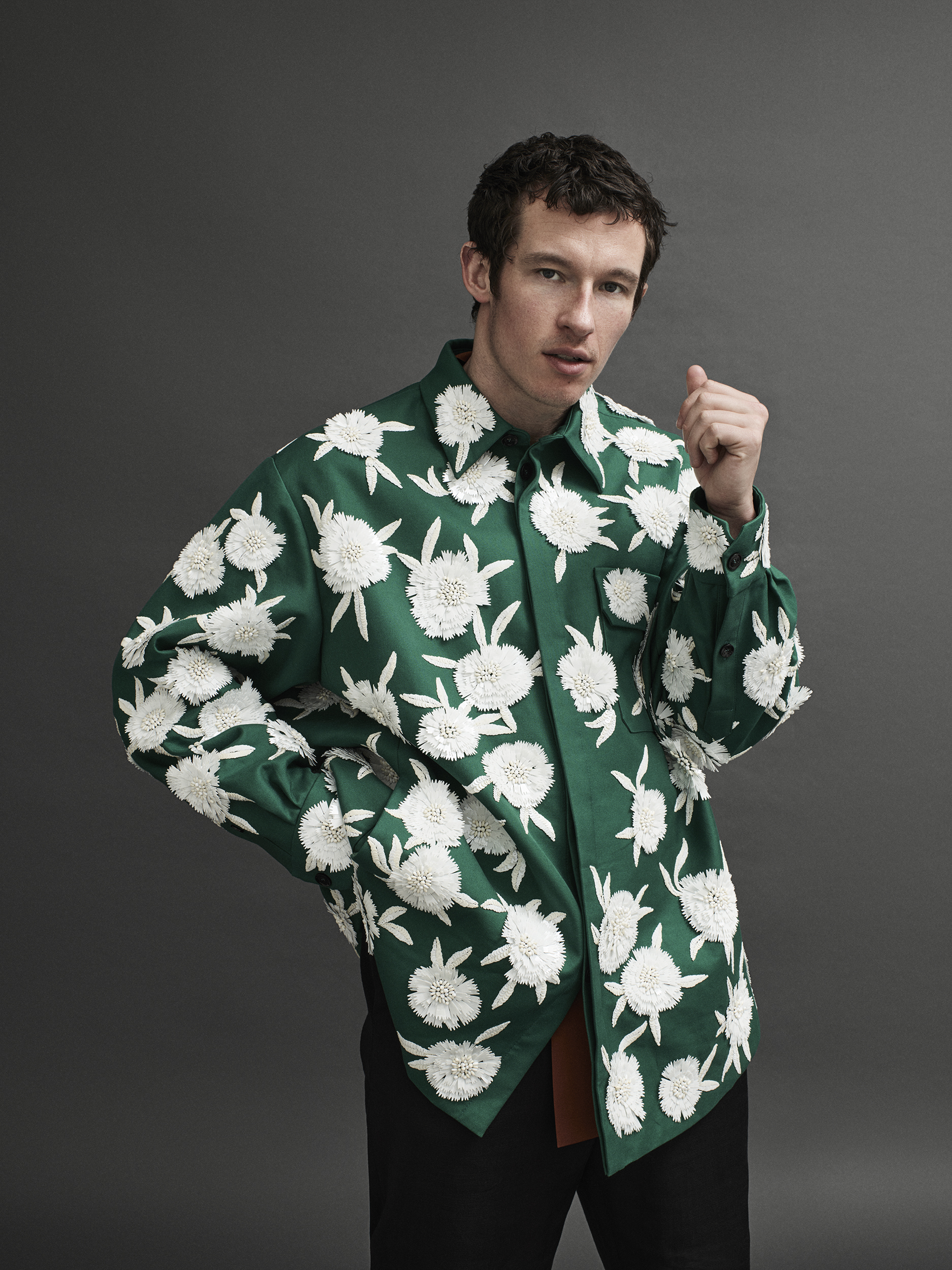
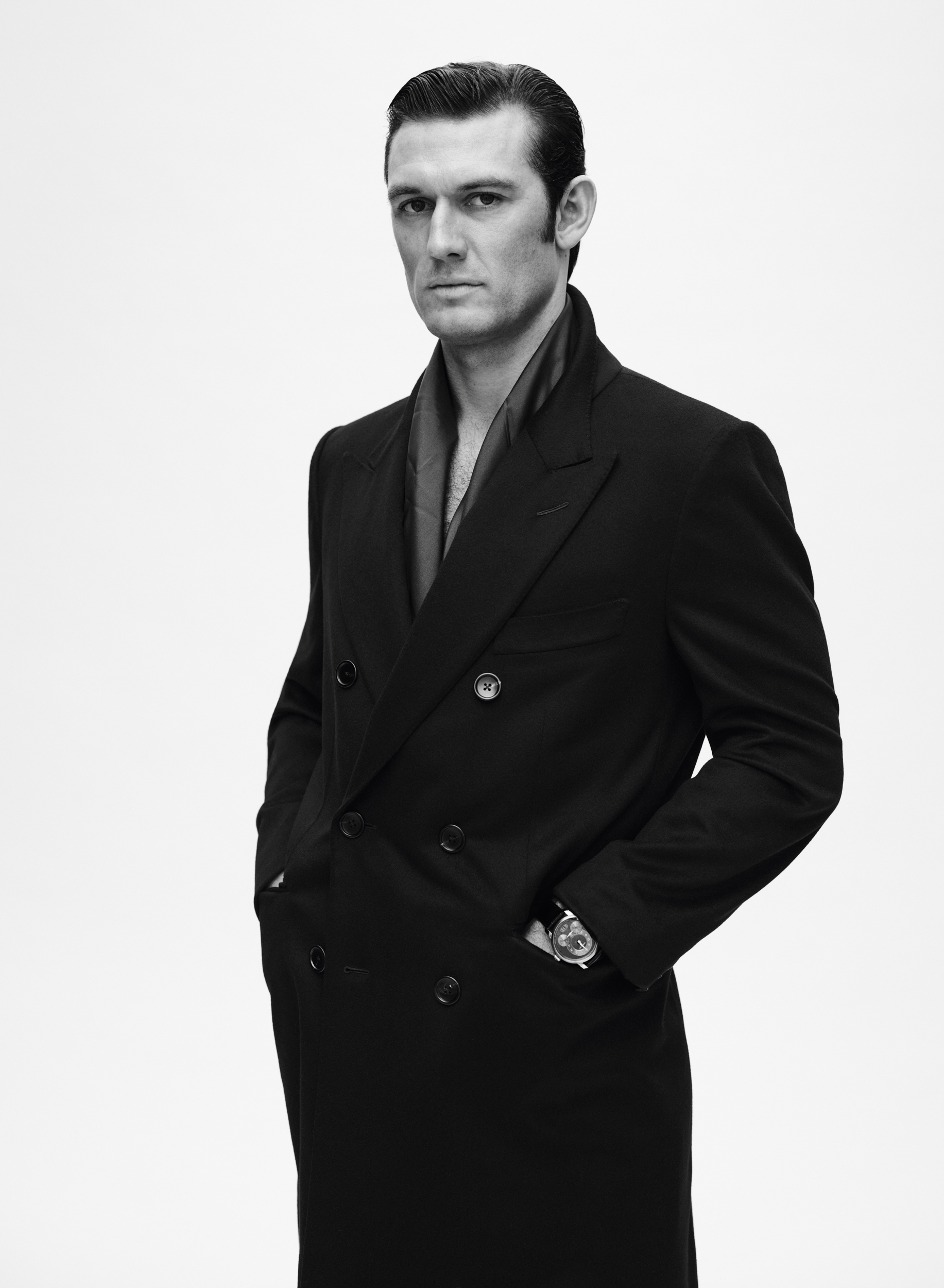
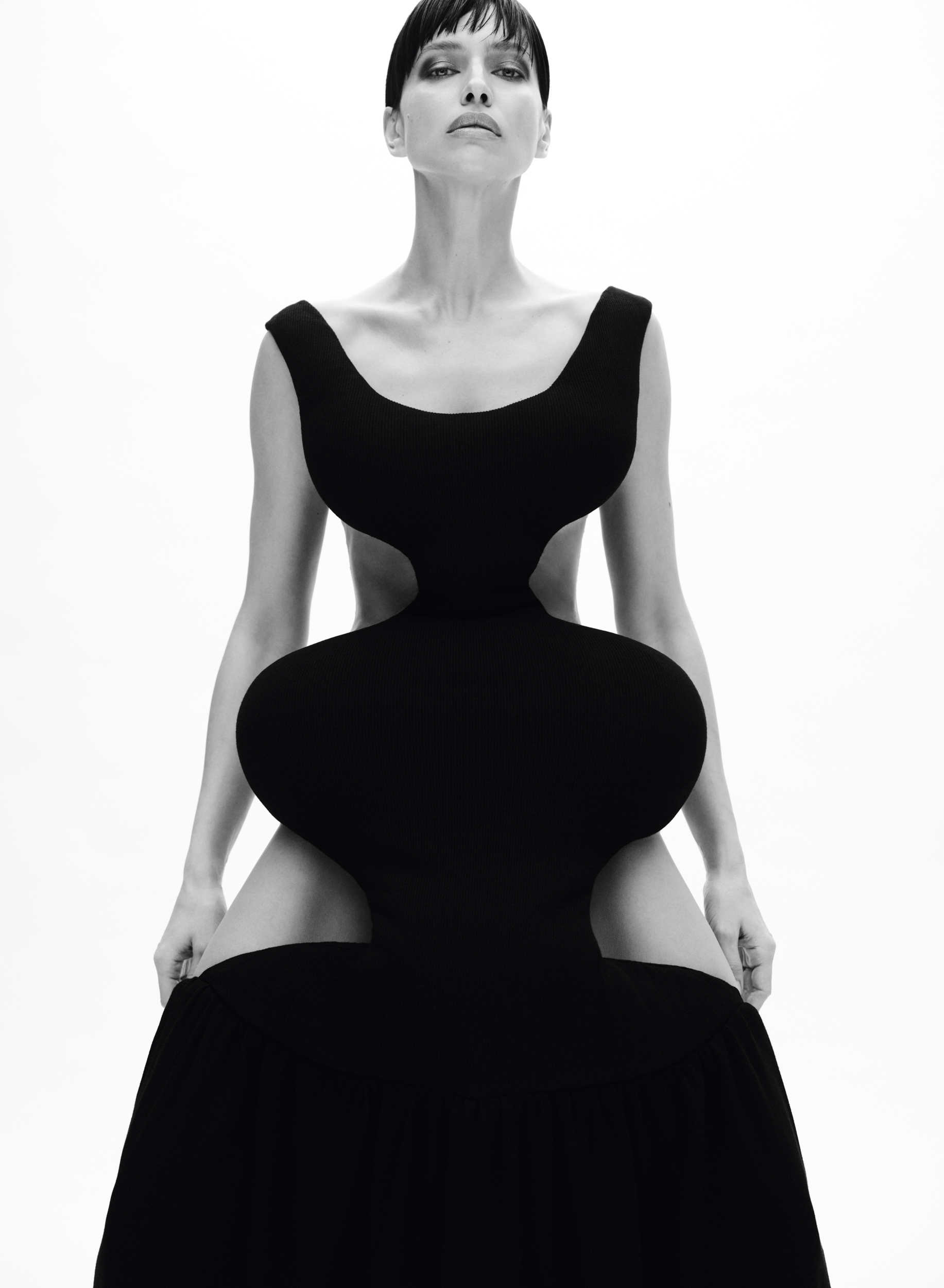
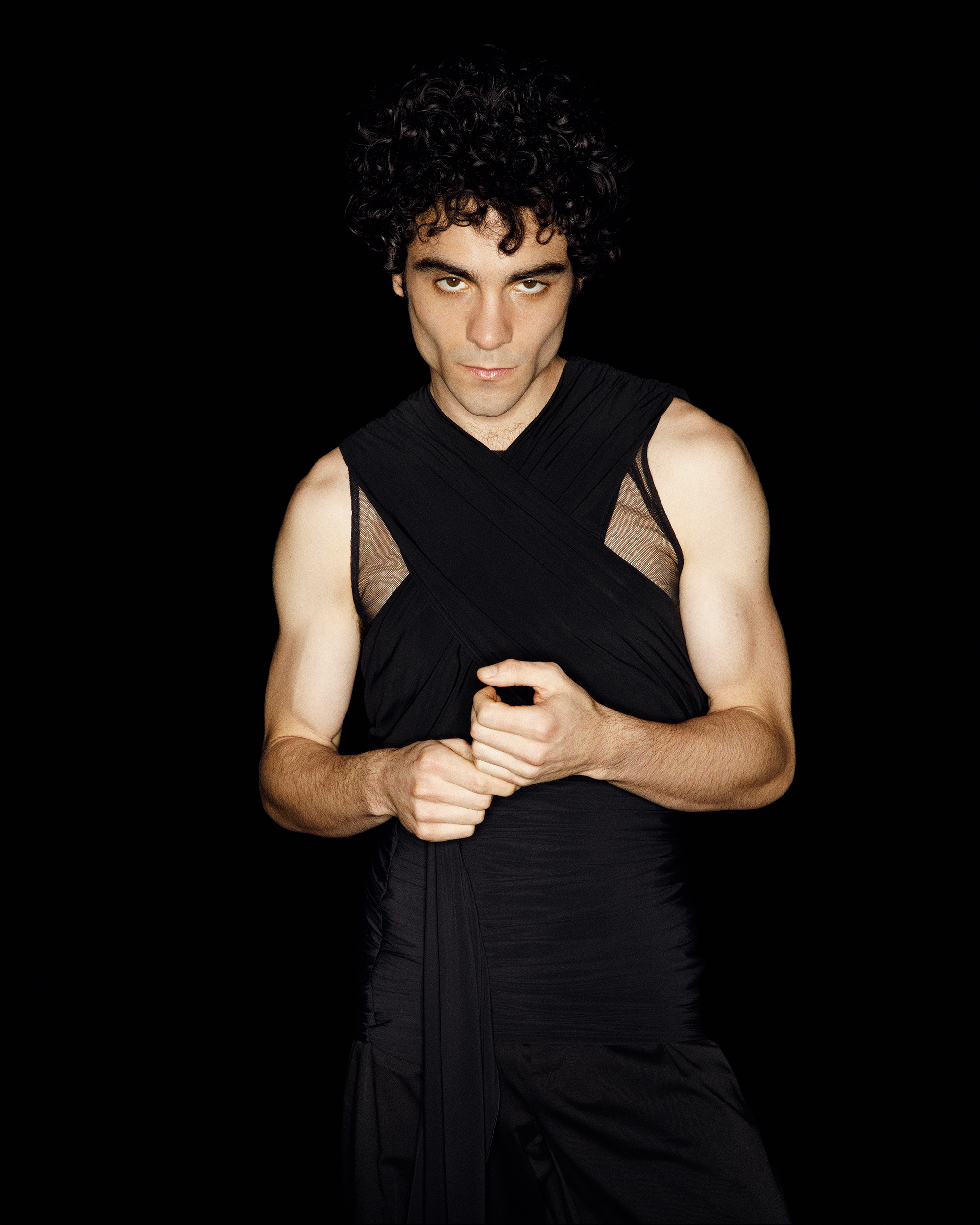
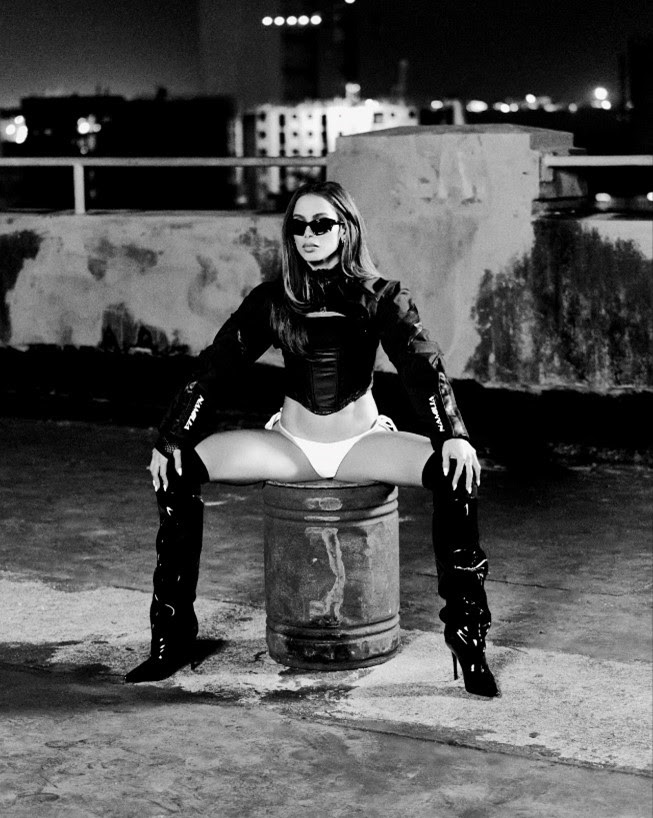
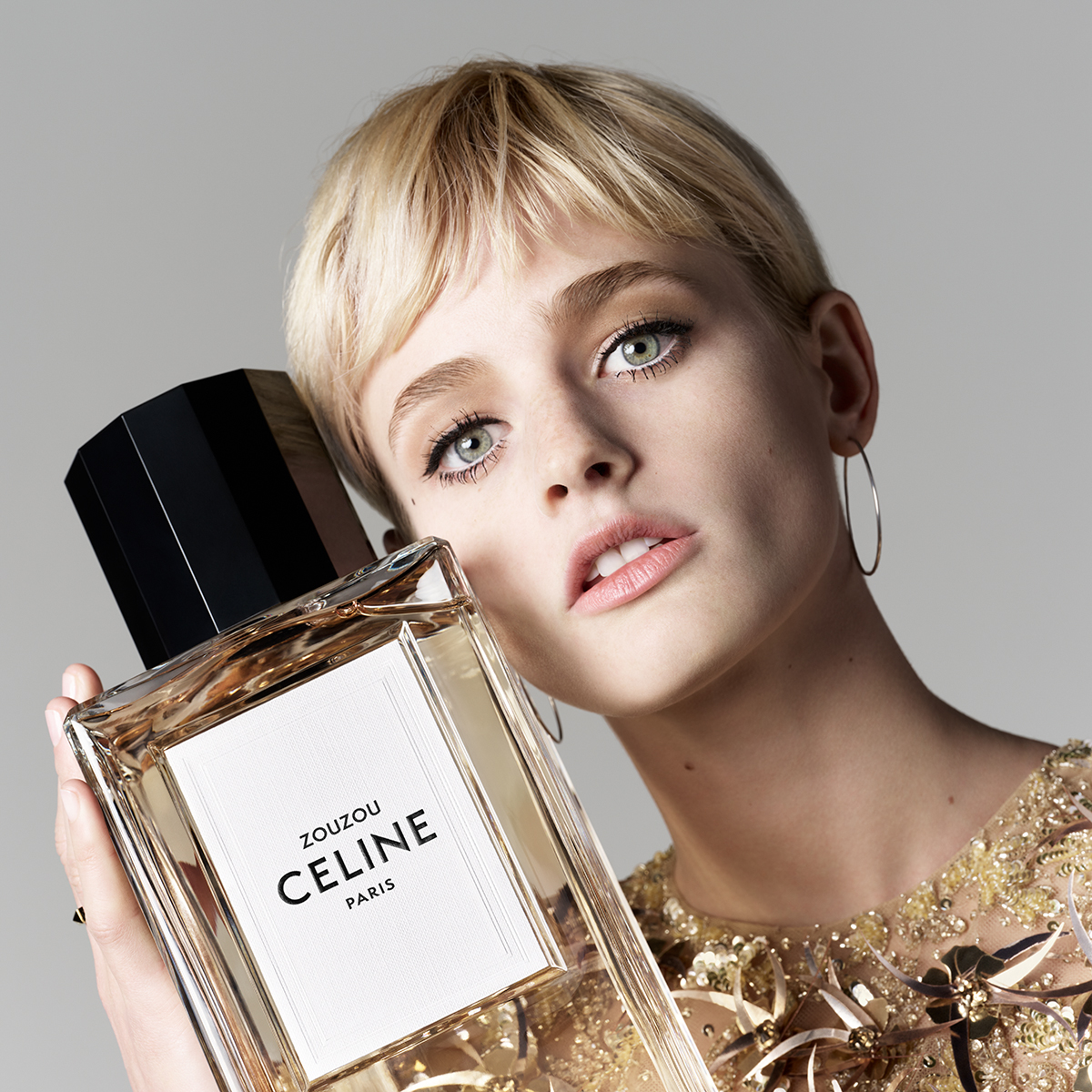
TAKE YOUR CUES FROM THE CHIC SET WITH THE SEASON’S...
Photography Benjamin Alexander Huseby Fashion Jodie...
The fabric of America is woven with many stripes....
The large white sign by the railroad tracks welcomes...
“The world’s changing,” says Bruno Coviello...
On a prefabricated set made of toys, Carolyn Murphy—the...
FRESH-FACED BEAUTIES FROM THE STATES HAVE BEEN LIGHTING...
AS THEY CONTINUE TO MASTER THE ART OF READY-TO-WEAR,...

Kehinde Wiley, who has been exhibiting his paintings since 2008, has been a well-known figure in the art world for his vibrant and referential portraits of African, African-American and Israeli men. Now he veers into a new direction, focusing his most recent series of works—which make up his solo exhibition, An Economy of Grace at Sean Kelly Gallery—solely on African-American women from New York. I had the chance to walk through the gallery with Wiley and talk with him about how this new body of work can be seen as both a departure but also a natural extension of his practice. Through our conversation he reveals much about his artistic process, which clearly goes far beyond merely creating portraits, and also discusses his most recent collaborations with Givenchy designer Riccardo Tisci and documentary filmmaker Jeff Dupre.
COURTNEY MALICK What motivated you at this point in your career to embark upon this new series, which explores only female subjects—an area of portraiture you have not worked in before?
KEHINDE WILEY It’s actually something that has been evolving over time. This body of work took more than two years to produce. So, what you are looking at is the culmination of what has been a rather slow process, which has to do with my interest in gender in artworks, which is project specific and so the work that I was doing around men was very much about defining the state of African-American identity and the performance of masculinity within American culture. I think that the obvious question then becomes, ‘what is the presence of black women in the image-making in the American, and increasingly global, imagination?’ The answers are many, and there is a very important history that I mine within Western European easel painting. The depiction of women has always been sort of at the service of powerful men—never in the forefront of the picture but always behind the scenes. You will see oftentimes in many important portraits that the men are the “main sitter” stridently at the front of the picture and behind him is the land, the wife, the children, the cattle…
CM…His possessions?
KW Yes, his possessions. So there has always been this subservient presence, but I think that secondarily there is another thread within the tradition that has more to do with the image of the woman as having been designed for the male gaze in order to be consumed. In much of the work here you will find that there is a one to one relationship between the eyes of the viewer and the eyes of the sitter, save for one piece in the main gallery where there is actually an absolute refusal to connect, sort of like Miles Davis on stage… literally taking that connection and turning it the other way. So there are certain moves such as that one, but I think that in more subtle ways the backgrounds start to tell a bit about some of my thoughts here as well.
Keep reading

AFTER RISING TO FAME AS THE WINNER OF AMERICAN IDOL, JORDIN SPARKS IS IN THE SPOTLIGHT ONCE AGAIN, PLAYING WHITNEY HOUSTON’S DAUGHTER IN THE REMAKE OF SPARKLE
Photography Mark Abrahams
Fashion Avena Gallagher
Text Evelyn Crowley
Arriving at a crowded L.A. restaurant for lunch with Jordin Sparks, we find the 23-year-old singer/actress tucked away in a corner booth, the contents of her cosmetics bag spilled haphazardly across the table. “I have meetings with my agents and a potential manager today, so I want to put my best face forward,” she explains, dabbing foundation onto her already luminous visage.
Most celebs treat their makeup regimes as classified information. But Sparks isn’t that kind of girl. All wide-eyed enthusiasm and toothy grin, the Glendale, Arizona, native charmed her way into the nation’s living rooms (and Simon Cowell’s icy heart) in 2007 when at 16 she became the youngest person ever to win American Idol. Now she’s set to tackle the big screen in the title role of the new Whitney Houston–backed reboot of the 1976 film, Sparkle.
Part musical, part cautionary tale, the movie tells the story of three sisters, Sparkle, Delores (Tika Sumpter), and Sister (Carmen Ejogo), whose successful Motown singing act disintegrates in the face of drug addiction and familial strife. Originally Houston had signed on solely as executive producer, but eventually agreed to also play the girls’ mother, Emma. “I think she was hesitant at first, and then she said, ‘Yeah, I really want to do that,’” says Sparks.
For the complete story from V77 The Americana Issue and to hear Whitney Houston and Jordin Sparks’ duet from the film, CLICK HERE!
“I have a provocative voice, but I’m not being personally antagonistic,” says artist K8 Hardy. “It’s just my style!” Something of a pop culture chameleon, Texas-born, New York-based Hardy has used photography, sculpture, performance and video to investigate and subvert our ideas behind gender, sexuality, class, fashion, politics and art. A founding member of the queer feminist artist collective LTTR, Hardy is also the artist behind the groundbreaking zine FashionFashion, and most recently, the acclaimed photographic series “Position Series”. To accompany a new installation of photographs shown in the 76th Whitney Biennial, Hardy stages one of her most ambitious performances to date this Sunday: a full-scale runway presentation complete with all the trappings of a high fashion show. More than 30 looks will be worn by a cast of top models. There will be a M.A.C-sponsored beauty team (with make-up by V’s own James Kaliardos), professional lighting and sound, a runway designed by fellow Biennial artist Oscar Tuazon, and the show’s production and PR is lead by fashion power players Edward Brachfeld and PR Consulting. However, any comparisons to what we see in Paris or New York every season will end there. This is K8 Hardy after all, and the best way to prepare ourselves is to expect the unexpected.
GEORGE MISCAMBLE You’ve worked within various disciplines throughout your career, photography, performance, zines, video, sculpture, and now the staging of a full scale fashion show. What prompts you to move amongst these disciplines?
K8 HARDY I don’t even think about it. I’m the new Andy Warhol.
GM So what is it that appeals to you about the staging of a runway show?
KH Fashion is always fucking with art, so I’m going to fuck with fashion. Also, I want to reach an audience that doesn’t get to go to the museums. I’m sending a message to the kids.
Keep reading
Isabel Toledo’s recent book, Roots of Style: Weaving Together Life, Love, and Fashion recounts her artistic and emotional journey from a child growing up in Cuba to the center stage of fashion, dressing some of the most celebrated women of our time, and collaborating with her husband, illustrator Ruben Toledo, for the past three decades. Their uniquely artistic relationship and her passionate devotion to her craft comes to life in this artfully narrated story of a true fashion original.
When did you know you had to write this book?
Isabel Toledo I was presented with the opportunity. Credit is due to a publishing house the scale of Penguin that took the high risk on a non-writer. They had a vision. I had mission to write a book that you could read between the lines!!!!
Was there a specific moment?
IT Yes, when I turned half a century- it seemed like a new chapter was beginning, new design thoughts. Society is changing so much right now, morphing into something new. This is a pivotal moment for anyone interested in helping to give shape to time. Also, Ruben and I speak with so many young students of fashion, art, and graphic design . They all want to know how they can start -how to dive into real life with their creative work. I hope this book can help by sharing our personal road map. Everyone eventually finds their own path but it sometimes helps to hear how someone else traversed the same terrain .
What was the most satisfying part of getting all of this down?
IT Seeing the patterns of my life reflected in my work.
The most difficult?
IT Editing out so many important and influential encounters and situations. Your early days as a designer sound a bit like a gritty New York fairytale…a tiny Times Sq. studio, Warhol, etc.
How do you think that informed your relationship to the creative forces in New York at the time? IT Both Ruben and I are a complete product of our times- we could have never existed anywhere else-only New York City can produce such a strange fruit. It really does take a village to bring up an artist.
And how important were those first few years to the work you do now?
IT Completely and totally important-you really are formed in the early years – times change for sure, but your central creative core gets stronger and stronger with time, that is your creative instinct which strengthens and grows like a muscle.
You talk about why you stopped showing during fashion week in the late ’90s, a risky move for any designer. What were you feeling then and what exactly led you to that choice?
IT I adore fashion shows, and I like very much to see my clothes presented to an audience. This separates clothes from commerce. Yet… Something happened in the ’90s. A thread was cut loose between the art of making clothes and the act of showing clothes…Remember I started showing collections in 1984, it was a very organic scene then, very innocent, naive, raw and sincere. Opportunities existed for a less main stream point of view. By the mid ’90s, fashion shows started to become what we know today, highly polished professional events with a front row scene, a script and a set almost more important than the clothes themselves. That’s an expensive proposition for any small design house. Especially at a time of little tolerance for the individual voice. I have always been about the intimacy of clothes, the unexplained and the challenging. Taste changes so Im sure before long- the intimacy of clothes and the way of showing them will move on from the hyper shows of today.
So much about the book is your relationship to your family and husband. Quickly, how do you feel them in relation to your work?
IT They cause emotion, and clothes are nothing but emotion in motion for me.
Dressing the First Lady is career changing for a fashion designer. How did you adapt from being an especially intimate and more private client based designer to a household name?
IT I have been showing collections since 1984, by now I have dressed three generations of Manhattan shoppers and beyond. Michelle Obama took this experience to a whole other level on a global scale! My working method is all about the hands on approach, the trial and error of the design process is essential for discovering the next – the new- which is what fashion design is all about.
(And the story about chasing the fabric for Michelle Obama’s inauguration look is something like a Christmas miracle!)
IT Indeed! They still do happen, at least in Tin Pan Alley at the Toledo Studio!
What’s next?
IT *&%%&(_($(I(&^#_+_)(*( )AND MORE!!
Available penguin.com, $25.95

Dress and Shoes Ohne Titel

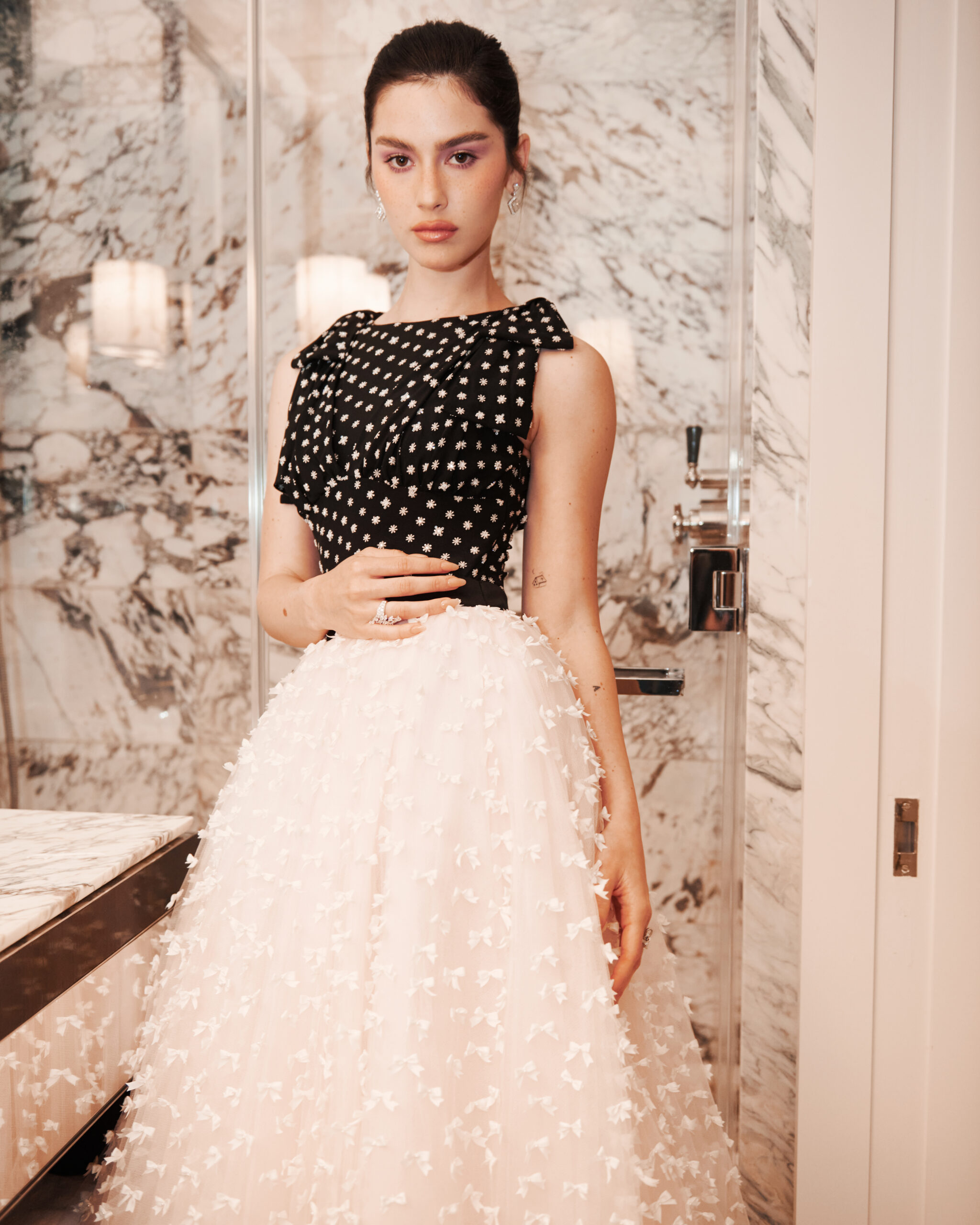
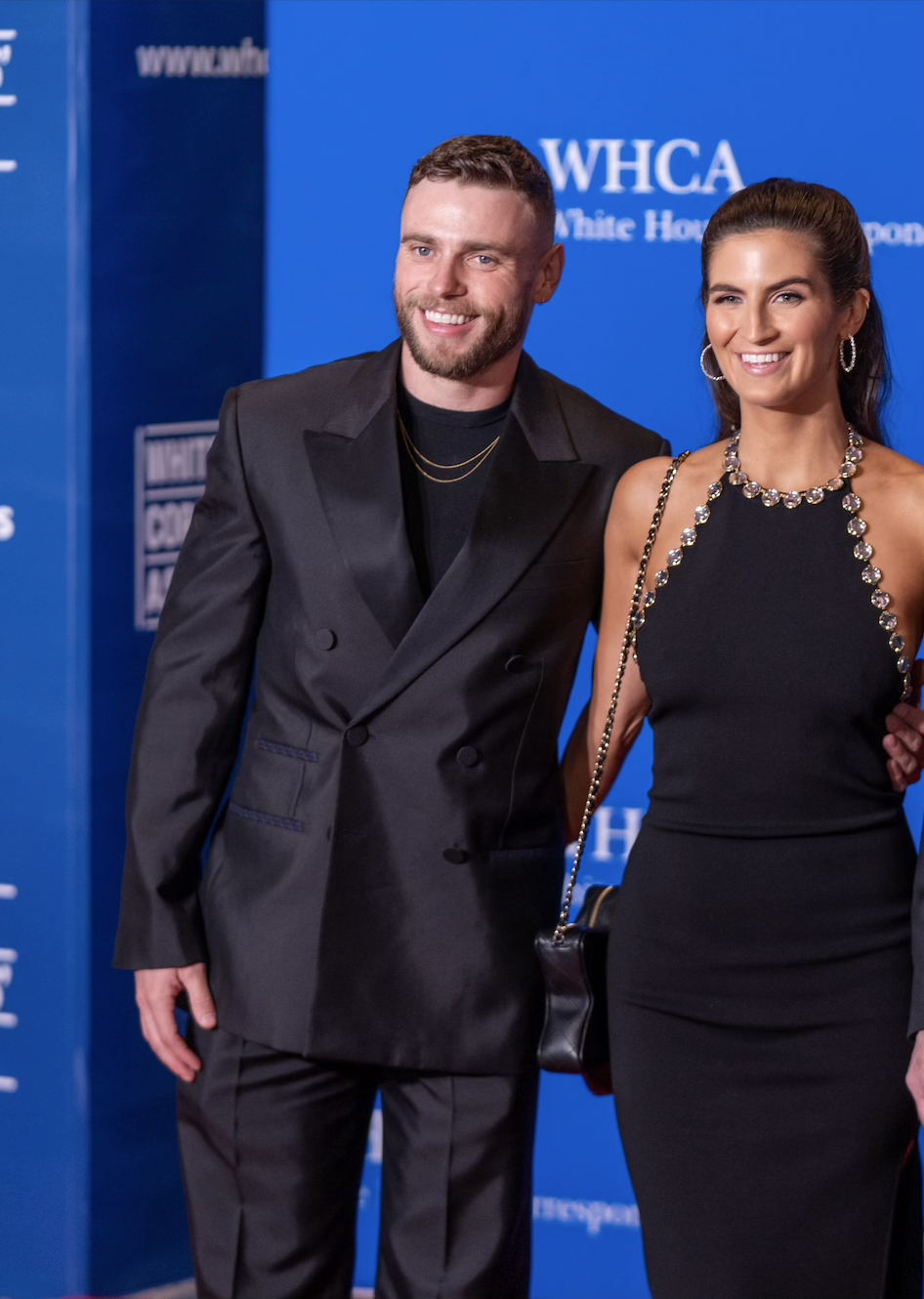
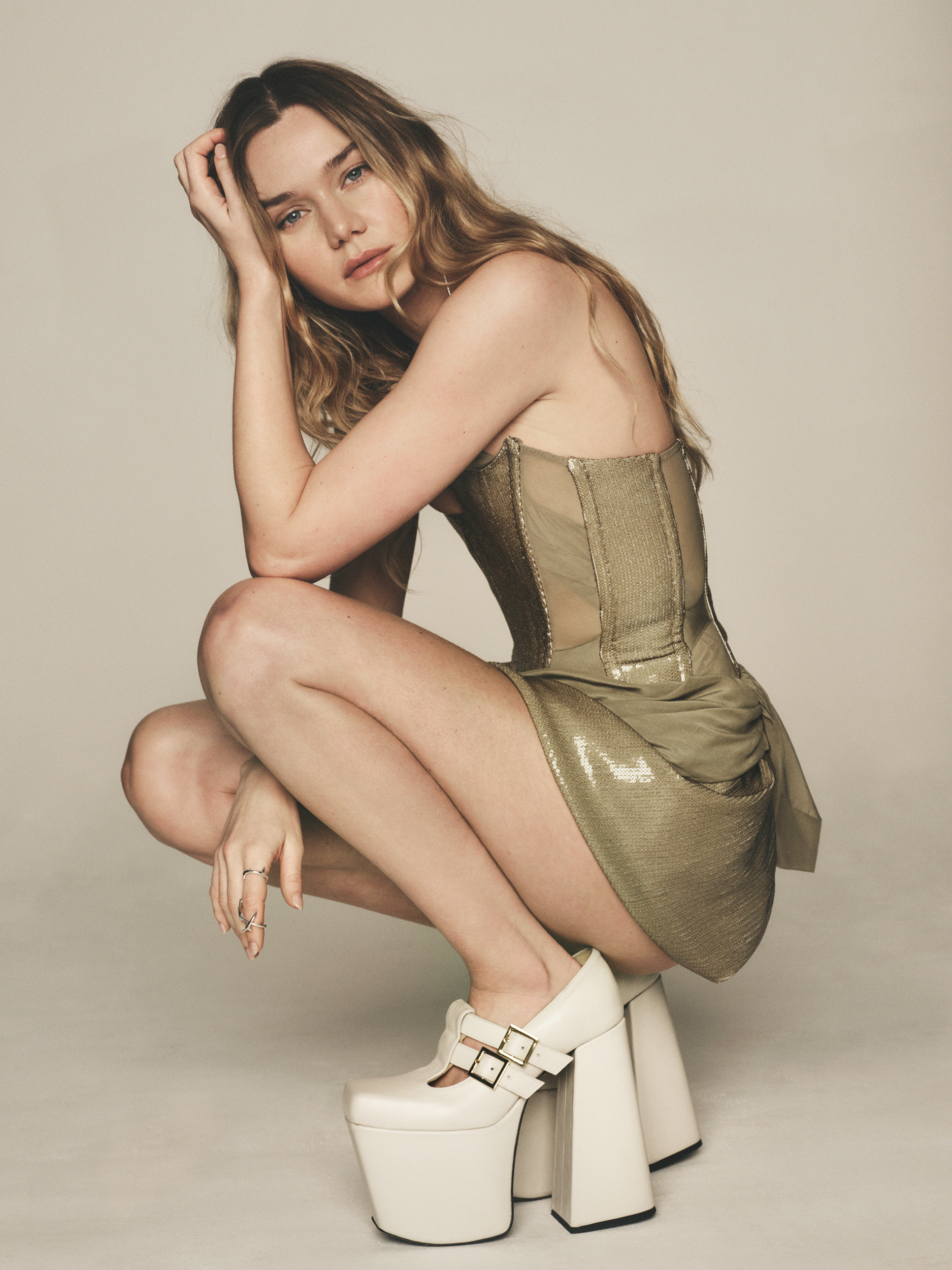
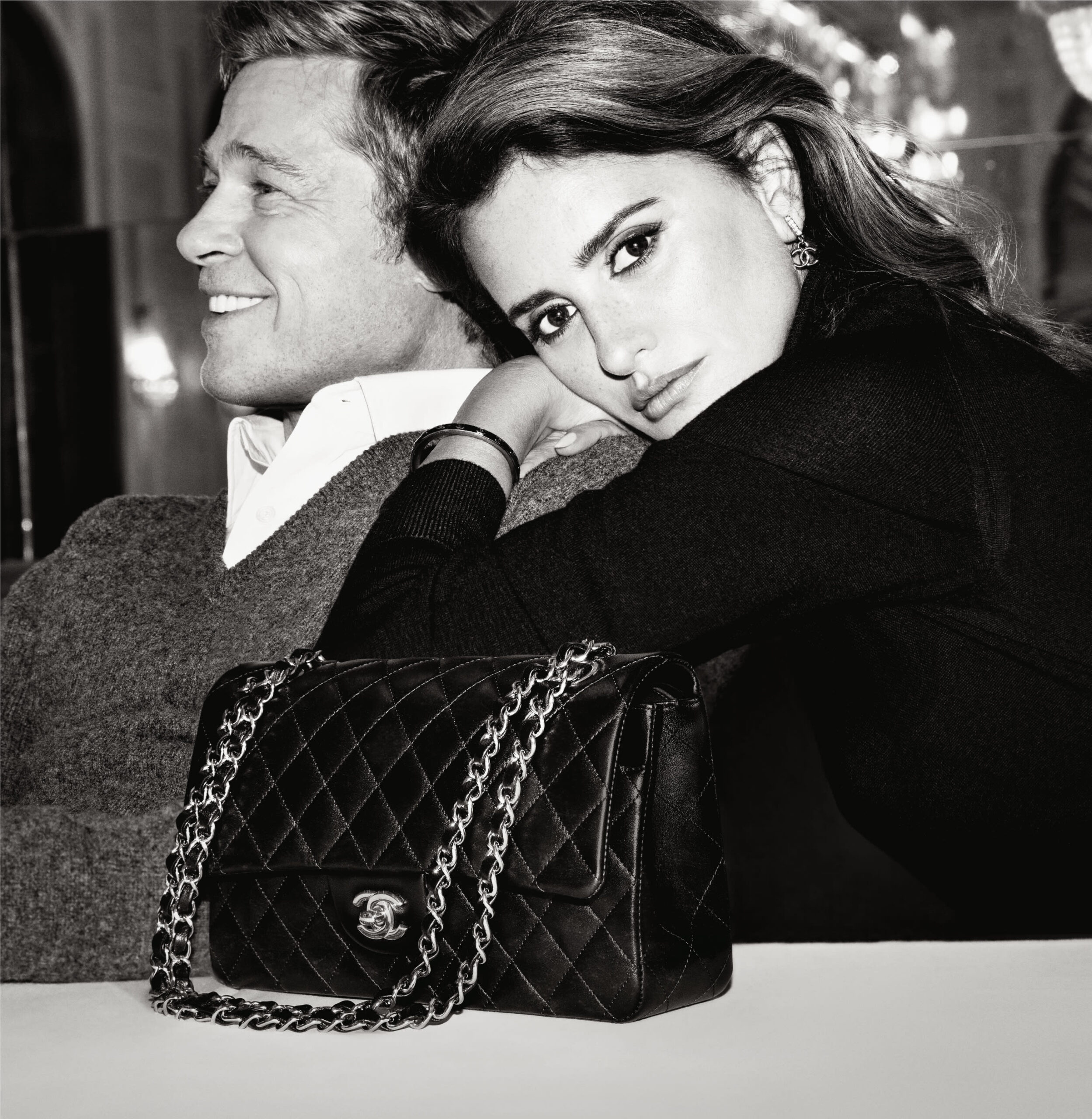
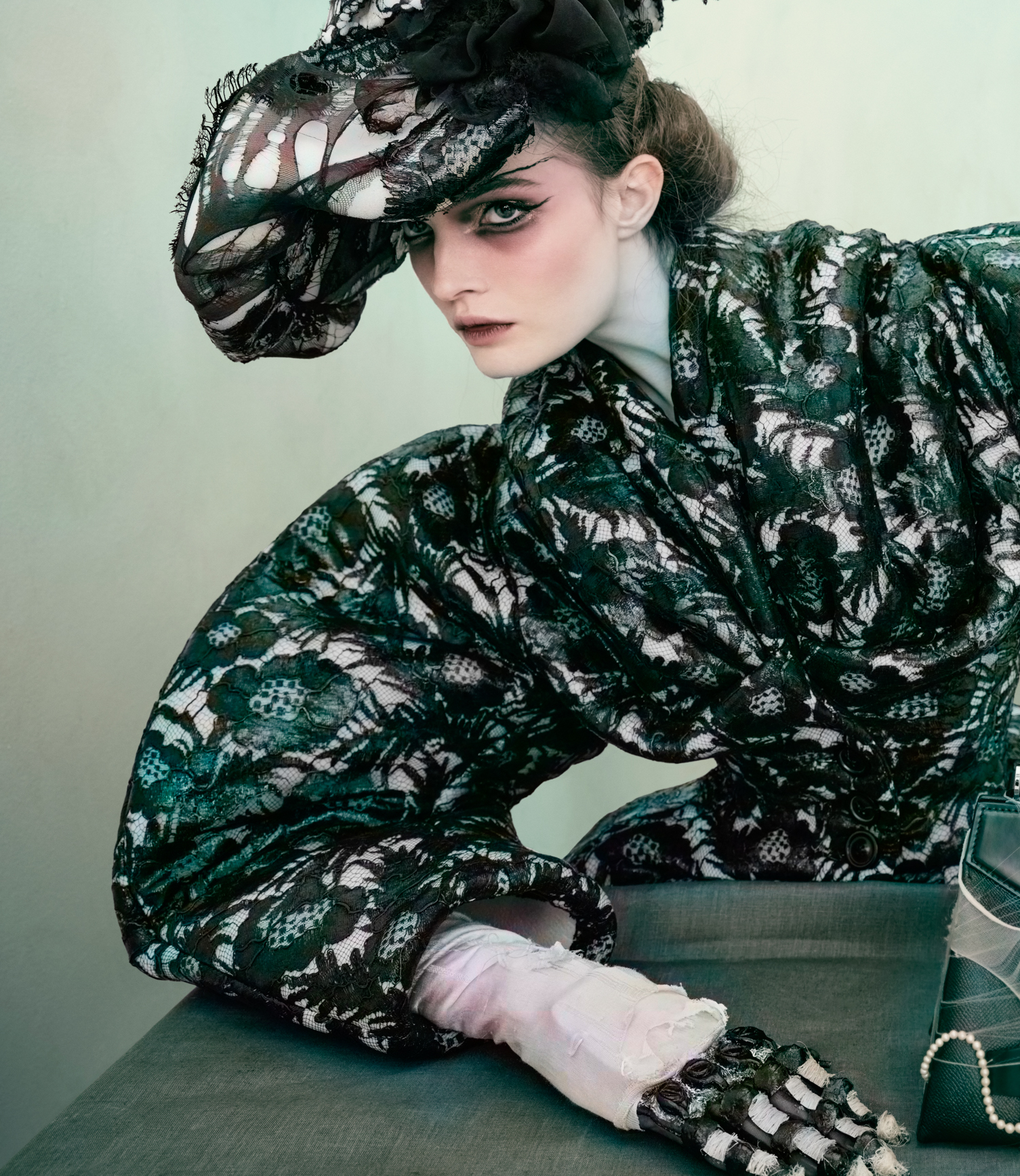
TAKE YOUR CUES FROM THE CHIC SET WITH THE SEASON’S MOST GLAMOROUS ACCESSORIES. LEISURELY UPTOWN OUTINGS ARE ONLY A CHAUFFEURED DRIVE AWAY
Photography Benjamin Lennox
Fashion Tom Van Dorpe
From Left:
Suit and Bag (On Table) Chanel
Ring Tiffany & Co.
Shoes Tom Ford
Top Valentino
Bracelet Tiffany & Co.
Bag Dior
Coat Jil Sander
Necklace Chanel
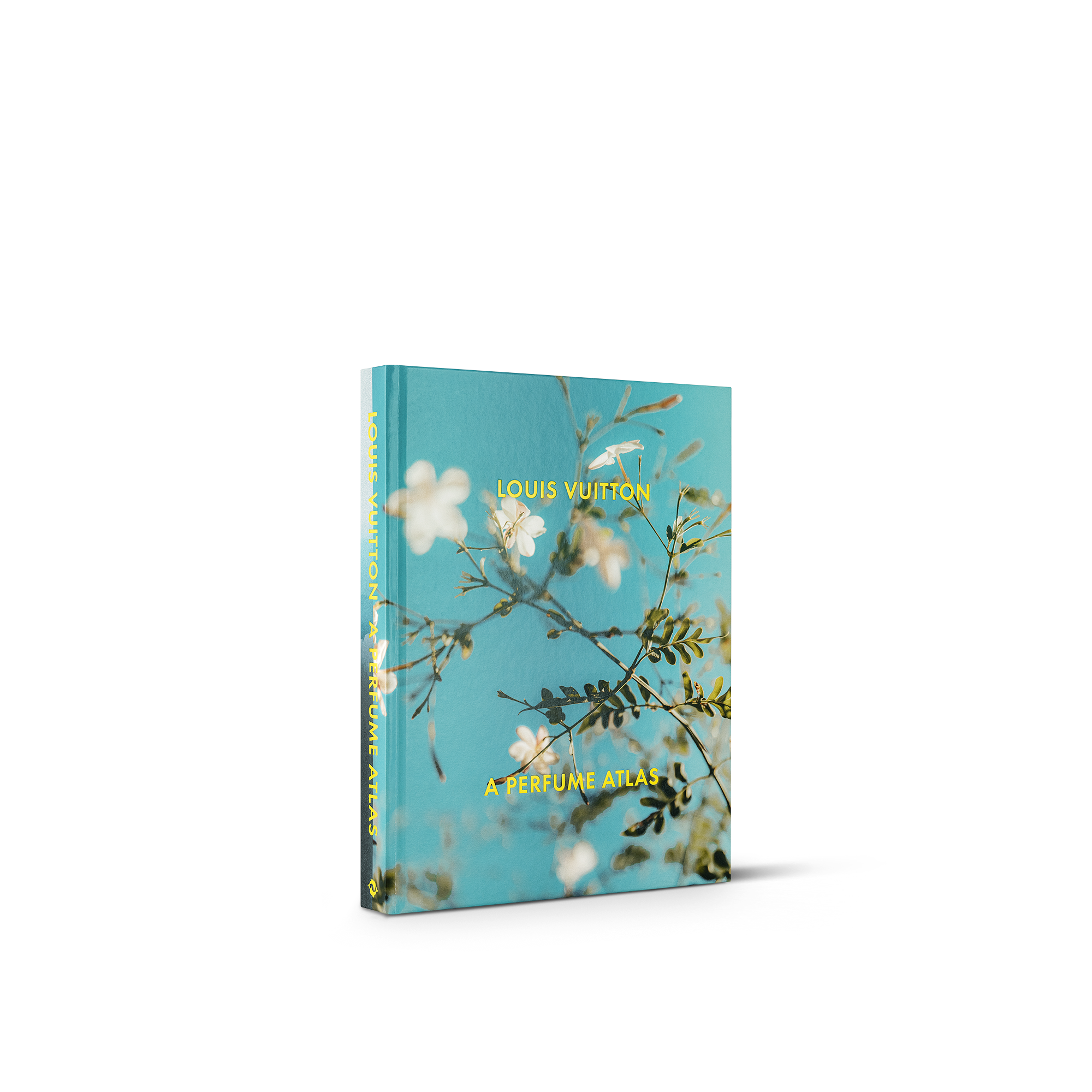
Bag Louis Vuitton
For the full story from V77 The Americana Issue, click here. V77 Americana is on sale now!

One of my favorite Facebook pages is the mouthpiece Downwit DeSlant. It is written so eloquently and personally that I originally thought there was an actual person in the world named Downwit. However, it is the doppelgänger of the super-creative Mac Folkes, who originally launched the Facebook page as a promotional tool for his artifact The Slant, which has since grown and taken on a life of its own. What I love about Downwit is that it combines music, fashion, and politics in way that transforms social commentary into art. I sat down with Mac over pizza to find what makes Downwit tick and how the hell he came up with that name. Oh, and Downwit is from Regina, Saskatchewan—just in case you were wondering.
HONEY DIJON When I first started reading Downwit’s Facebook page I actually thought there was a real person named Downit. There was such intelligence and wit. Why Facebook and not a blog?
MAC FOLKES Facebook creates this whole platform for you and I felt that there was really no need to create a blog with Wordpress or Blogger where you have to design something yourself and create the whole interface and , since I really had no idea where this was going , I felt that there was no need. FB did the same thing for you that a blog did. FB creates this whole community where people can see what others are doing and it sort of becomes a self promoting vehicle unto itself.
HD What I love about Downwit is its social commentary through the eyes of music, fashion, art, and images from the gilded age of Hollywood. It feels transformative to me. It’s feels like you are using commentary as an art form on what’s current. Was that your intention?
MF Well I have two guiding principles: truth and beauty and whatever fits between there.
HD Well that’s a very broad spectrum!
MF Isn’t it though! (Laughs)
Keep reading


If you’re still thinking about seeing the re-release of Titanic 3D, it’s pretty major, but you can skip it. The most important treasure from the ’90s, seminal band Hole, is back in the spotlight in a new documentary, HIT SO HARD, the story of the band’s drummer Patty Schemel during their Live Through This/Celebrity Skin peak. While incendiary front woman Courtney Love already had her own Behind the Music special on VH1, the film does devote a lot of screen time to candid interviews from the band’s seminal lineup of Love, Eric Erlandson, and Melissa Auf De Maur. However, this is Patty’ story: her rise to fame from small time bands with her brother to playing on the era-defining Live Through This, and all of the adventures in between. Following the album’s success and the tour, including those iconic Lollapalooza shows after Kurt’s death, Schemel became a drug-addicted street urchin, while ironically appearing on the Celebrity Skin album cover (which we learn she wrote on, but did not actually make the final cut—the honors went to a ridiculously macho studio musician). Struggles aside, this is ultimately a tale of redemption and reunion. For those that went to the NYC afterparty for the film and saw Courtney and the gang together again playing “Miss World,” I’m forever envious. The film is now playing nationwide, so put your babydoll dresses on, and drive as soon as you can to your nearest theater to see one of the most crucial documentaries of the year.
Above: Kurt Cobain, his daughter Francis Bean Cobain, and Hole drummer Patty Schemel in a photo taken while living together in 1992 (Photography Courtney Love); Patty Schemel (self-portrait)
Yesterday the world mourned the loss of the legendary Vidal Sassoon, the great English hairdresser, genius, and pioneer who changed the world with his Bauhaus-inspired geometric hairstyles. It is without question that in the purest essence of the word, Vidal Sassoon embodied what it means to be visionary.
In our third-ever issue of V, fellow hairdresser—and former pupil—Guido Palau interviewed the great Sassoon about hair trends of the time (Spring/Summer 2000), creating indelible iconography with creations like the Rosemary’s Baby cut, and what it means to be a maestro to the mane. Click the above archived spread pages, courtesy of VFILES, to read the full story.

Top and Pants Ohne Titel
Shoes Martin Margiela